Whenever you look into an old dog's eyes, you can see just how special they are. You can feel the gentleness and sense the wisdom they've gained over their lifetime. And for many of us, we're grateful for their lifetime of devotion and that wag of the tail and happy greeting whenever they see us.
We have so much we can learn from our older dogs. They sense our moods and emotions and often seem to know us better than we know ourselves. They show us that the simple things in life are often the things that matter the most. They are grateful to be with us and show us how to be happy with what we have.
I've heard so many caring older dog owners say:
- What I'd give for one more day with my dog; why are their lives so short?
- What could I have done to help them live longer, healthier life?
Did you know: Spending as little as 5 minutes a day consistently working with these simple-to-learn strategies could change your older dog's world and give you more time together. So, after spending over 17 years helping older dogs, I'd like to share some things you can do now to help your older dog have the best quality of life possible and help add weeks, months, or even years to their life.
Let's break it down into five key areas.
Overview:
- Guidelines for a healthy diet
- Supplements and Superfoods
- Your dog's bed
- Exercise adjustments
- Dog massage
Diet Guidelines for Older Dogs
Keeping your dog at a healthy weight is crucial to its longevity and quality of life. If your dog is overweight, it puts them at a greater risk of arthritis and a wide range of health issues, but the quality of the food we feed our dogs is even more critical. We've all heard the saying 'you are what you eat'. Now more than ever, we're more aware of the huge benefits of a more natural fresh food diet.
But have you ever thought about a natural fresh food diet for your dog too? I've seen numerous times that even a few simple tweaks can make a massive difference to a dog's health, mobility, comfort levels, and, ultimately, their longevity and time together with us.
A fresh food diet is a healthy and nutrient-dense diet you can feed your dog.
Here are guidelines and facts to get you started:
- Meat is the starting point and where our dog needs to get its quality protein.
- Muscle meats are crucial to a dog's diet.
- You can try beef, lamb, chicken, and turkey.
- Many dogs benefit from varying the meats regularly, so they get more variety in their diet.
- Good quality protein is the foundation for healthy skin, hair, muscles, and ligaments.
- Protein from muscle meat will give your dog the key amino acids they need in their diet to thrive.
- Fresh organ meat, like liver and kidney, is like nature's multivitamin and a great source of essential vitamins and minerals for an aging dog.
- When introducing organ meat, only start with a small amount to give your dog time to adapt to any new food.
- A small amount of fresh fruit and veggies provide your ageing dog with important antioxidants to reduce toxicity in your dog's body and help protect against inflammation.
Supplements and Superfoods for Ageing Dogs
Introducing a natural joint supplement into your older dog's life can often be life-changing. They help reduce inflammation and provide your dog's joints with essential nutrients to protect against the degeneration process all dogs go through as they age. The biggest challenge is often which supplement is best suited for my dog, as there are so many to choose from. Just walking around your local pet store can be overwhelming when you see all the different options there are.
Here are some inexpensive things you can give your dog:
- One of the simplest things you can do is give your dog an eggshell membrane (the inside lining of the eggshell). It contains Collagen, Glucosamine and Chondroitin, which are essential to protect aging joints and help reduce inflammation.
- Another great option is Bone Broth. Bone broths are a great source of Glucosamine and Chondroitin and can help reduce inflammation throughout your dog's body and improve its digestive health. The dogs I work with will tell you they taste great too.
- Other great supplements I use to help many of the older dogs I work with are Green Lipped Mussel, PEA and Phytoplankton.
I've seen these supplements transform the quality of life of many older dogs, and I know how much their families value them too.
Choose Beds Designed For Older Dogs
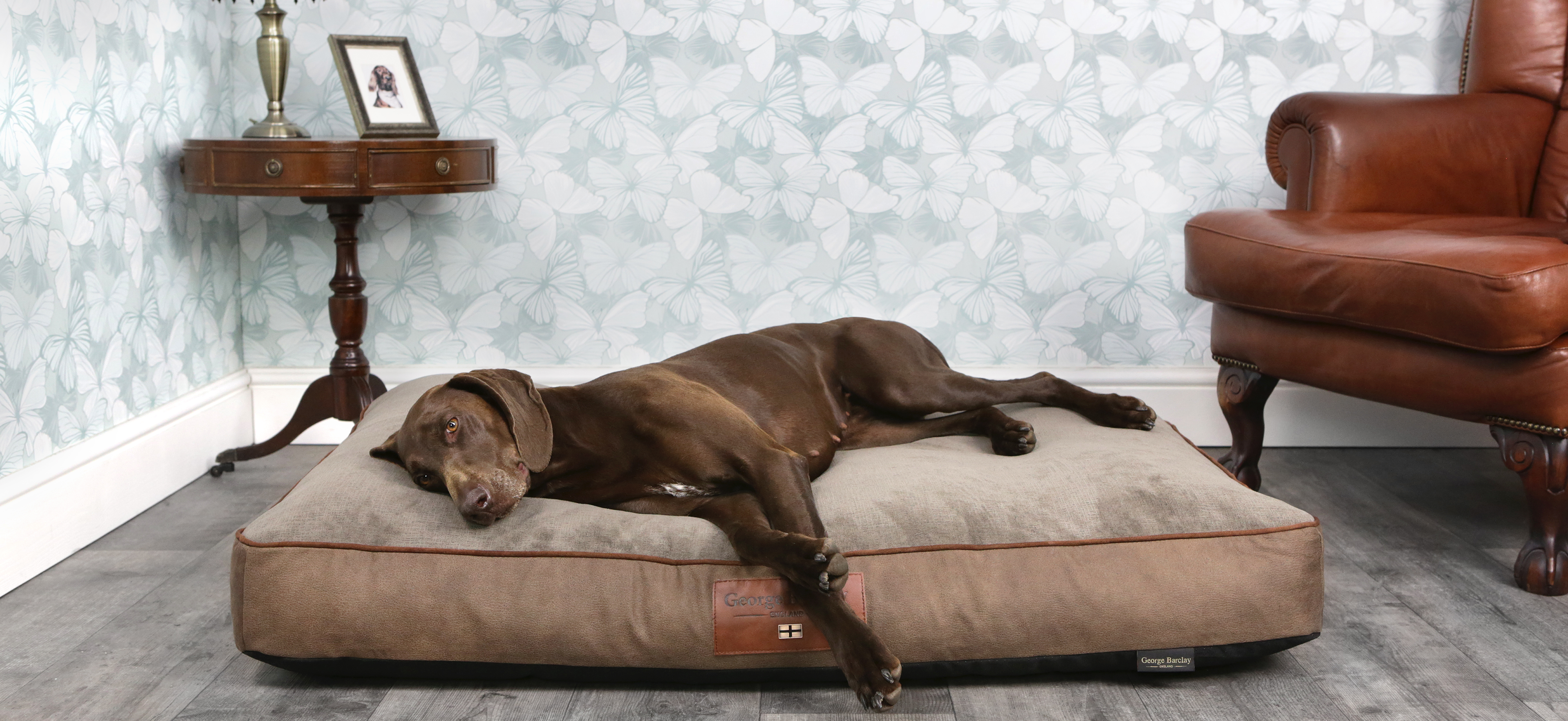
If you do the maths and work out how many hours your older dog sleeps a day, it makes sense that the bed they sleep in is best to give their muscles and joints as much support as possible. So, investing in a high-quality orthopaedic bed is an investment not only in your dog's comfort but also in their longevity and time together with you.
The memory foam in a high-quality orthopaedic dog bed helps relieve the everyday stress on an older dog's joints. They get better quality sleep because it's more supportive for their aging joints and a more accessible bed for them to get up from.
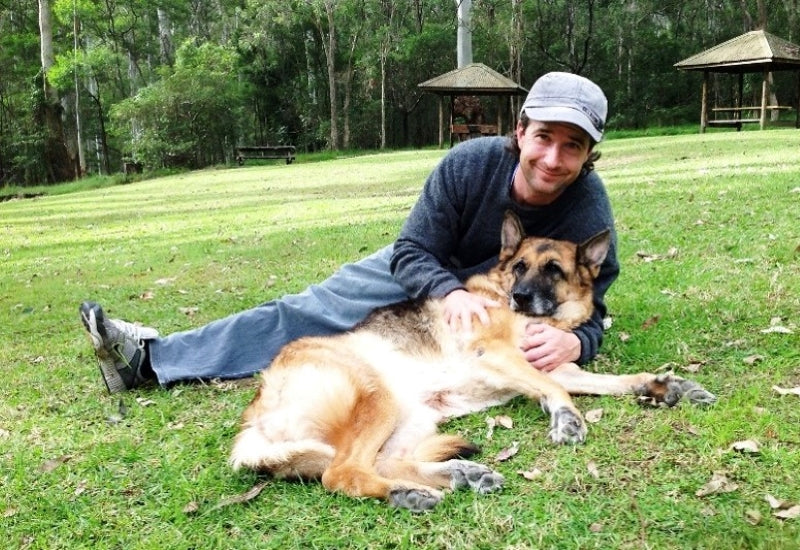
Many older dogs are at their stiffest first thing in the morning when they get up after a long sleep, so a bed customised explicitly for them can make their mornings so much easier and help them move and feel better throughout the day. My older dog Shen (pictured above) loves her orthopaedic bed from Creatures of Comfort, and it helps her mobility and comfort levels.
Older Dogs & Exercise
As your dog ages, adjusting how you exercise them is essential. Activities that were once effortless for them are getting harder and can even become an injury risk.
Many older dogs I've worked with over the years have been either over-exercised or not exercised anymore because their owners were worried that walking them was a bad idea; now they are stiff and not moving as well.
So, what is the best way to exercise an older dog?
Little and often is a good starting point. Three ten-minute daily walks are more manageable on an aging dog's joints than one thirty-minute walk.
If you know at a certain point in your dog's regular walk when they start to slow down and struggle a little, then that's the furthest they should be walking. There will always be days when your dog is feeling and moving better than others, so always consider that when deciding how long to walk them.
It's also worth considering the intensity of how you exercise your dog.
Fetch and chase games were a lot of fun when they were younger, but now their older, they become a significant injury risk. I've worked with far too many older dogs with hip, knee, back and elbow problems because their owner kept throwing a ball for them.
No matter how much your dog loves chasing the ball, it's one of the easiest ways to break your dog's bones and leave them with joint problems and unnecessary pain.
Get 'Hands-on' With Dog Massage
What do I mean by getting 'hands-on'? This is one of the most important things you can do to help relieve any pain or soreness your older dog has and help them move and feel better.
Learning some simple Massage techniques is a great place to start; it can make a big difference to your aging dog's quality of life and comfort levels.
Massage helps relieve sore muscles and ease the stress on aging joints, and it also feels great. So many devoted dog owners I work with have learned that just spending a few minutes a day massaging their dogs has made a life-changing difference to their quality of life.
Here's a simple massage sequence you can use for your dog to help ease any sore, stiff muscles in their back legs.
Another great way to get more 'hands-on' with your dog is to learn some gentle stretches and strength exercises to be stronger for longer and keep doing all the things they love.
Starting to build an 'Older Dog Home Care Program' is a great way to keep your aging dog in your world for longer with you.
If you'd like to learn more ways to help your older dog have the best quality of life possible, download my FREE E-Book.
Written by Tim Norris - Animal Physiotherapist & Acupuncturist
Tim Norris is an Animal Physiotherapist and Registered Acupuncturist with over 17 years of experience working with older dogs and dogs with arthritis. Seeing his dog slowing down and finding life harder in her twilight years inspired him to make it his life's mission to do all he can to help as many older dogs as possible live the most extended, healthiest, pain-free lives possible. You can find out more about Tim at creaturesofcomfort.com.au/pages/tim-norris.